


Call us now
HDPE Lined RCC Pipes
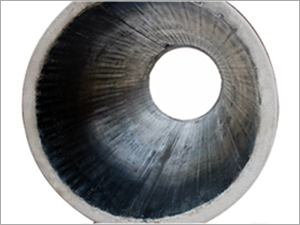

HDPE Lined RCC Pipes Specification
- Sealing Type
- Rubber Gasket
- Yield Strength
- Grade Dependent, as per IS 458
- Bend Radius
- Not recommended for bending
- Temperature Range
- -10C to +60C
- Tolerance
- 2 mm
- Connection Type
- Rubber Ring Joint
- Tensile Strength
- Min. 25 MPa (HDPE Liner)
- Diameter
- 300 mm to 2200 mm
- Flexibility
- Semi-Rigid
- Coating Type
- HDPE Inner Lined
- Product Type
- HDPE Lined RCC Pipe
- Material
- HDPE
- Connection
- Spigot & Socket
- Shape
- Round
- Standard
- IS 458:2003 / ASTM D1248
- Surface Treatment
- HDPE Lined, Smooth Finish
- Outer Diameter
- 300 mm to 2200 mm
- Section Shape
- Cylindrical
- Length
- 2.5 m to 3 m
- Thickness
- 40 mm to 150 mm
- Color
- Grey with Black Lining
- Usage
- Water Transmission, Sewage, Drainage
- Rated Pressure
- Up to 16 Bar
- Material Grade
- PE 80/ PE 100 HDPE, M40 RCC
- Application
- Municipal, Industrial, Irrigation
- Lining Thickness
- 2.5 mm to 5 mm (HDPE)
- Leakage Test
- 100% Hydrostatic
- Jointing Method
- Push-fit Rubber Sealing
- Hydraulic Test Pressure
- Up to 16 Bar
- Installation
- Trench or open cut method
- Inner Surface
- Corrosion and abrasion resistant
- Flow Rate
- High due to low surface roughness
- Portability
- No, requires machinery for lifting and laying
- Chemical Resistance
- High - Suitable for harsh effluent
- Weight
- Varies by diameter and thickness
- Life Expectancy
- Over 50 years under normal conditions
HDPE Lined RCC Pipes Trade Information
- Minimum Order Quantity
- 100000 Pieces
- Supply Ability
- 200 Pieces Per Day
- Delivery Time
- 2 Days
About HDPE Lined RCC Pipes
Key Points:
- Highly durable
- Optimum strength
- Perfect finish
- Leak proof
Corrosion and Abrasion Resistance
The HDPE lining inside the RCC pipe is engineered for high resistance against chemical attack and abrasive materials, making these pipes ideal for harsh effluent and industrial waste transport. This ensures minimal wear, prolongs structural integrity, and reduces maintenance costs over the years.
Efficient Sealing and Leak Protection
A push-fit rubber sealing mechanism ensures a watertight connection between pipe sections, even under hydraulic pressures up to 16 Bar. Each pipe undergoes 100% hydrostatic leakage testing, guaranteeing reliable performance in critical water transmission, sewage, and drainage applications.
Installation and Handling
Designed for open cut or trench installation, HDPE lined RCC pipes are semi-rigid and require lifting machinery for handling. Their length and weight vary by size, ensuring customization for diverse municipal, industrial, and agricultural needs. Proper installation ensures long-term performance and safety in demanding environments.
FAQs of HDPE Lined RCC Pipes:
Q: How does the HDPE lining improve the performance of RCC pipes?
A: HDPE lining provides a smooth, corrosion- and abrasion-resistant inner surface, protecting the RCC pipe from chemical degradation and wear. This significantly increases the pipes lifespan and maintains high flow rates by minimizing surface roughness.Q: What jointing method is used and how does it ensure leak prevention?
A: The pipes use a push-fit rubber sealing joint system that forms a watertight seal between segments. Combined with 100% hydrostatic leakage testing, this method ensures zero leakage even at high pressures up to 16 Bar.Q: When should HDPE lined RCC pipes be used over traditional pipes?
A: HDPE lined RCC pipes are ideal for environments with aggressive chemicals, sewage, industrial effluent, or where long-term durability and low maintenance are required. Their high resistance to abrasion and corrosion makes them suitable for municipal, industrial, and irrigation uses.Q: Where are these pipes typically installed?
A: They are commonly installed underground using trench or open cut methods for water transmission, sewage, drainage, and irrigation in municipal, industrial, and agricultural projects throughout India and other regions.Q: What is the installation process for these pipes?
A: Installation involves digging a trench or using open cut methods, followed by lifting and laying the semi-rigid pipes using machinery. Each section is connected with a spigot and socket, sealed by a rubber gasket, ensuring a secure and leak-proof system.Q: What are the benefits of using HDPE lined RCC pipes?
A: Benefits include exceptional chemical and abrasion resistance, enhanced flow rates, reliable leak-proof joints, and a long service life exceeding 50 years under normal conditions, making them cost-effective and durable.Q: Are these pipes flexible and can they be bent during installation?
A: HDPE lined RCC pipes are semi-rigid and are not recommended for bending. Properly aligned straight installations help maintain their integrity and performance.- Minimum Order Quantity
- 100000 Pieces
- Supply Ability
- 200 Pieces Per Day
- Delivery Time
- 2 Days
 Get Latest Price
Price:
- 50
- 100
- 200
- 250
- 500
- 1000+

More Products in Pre Cast Concrete Product Category
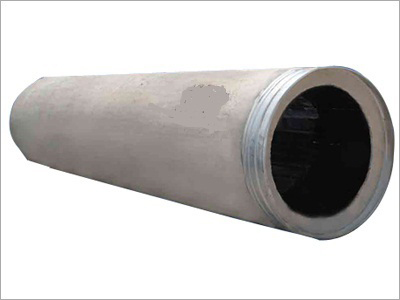
Jacking Pipe
Minimum Order Quantity : 100000 Pieces
Section Shape : Round
Product Type : Other, Jacking Pipe
Color : Grey
Temperature Range : 10C to 60C
Material Grade : M40 Concrete
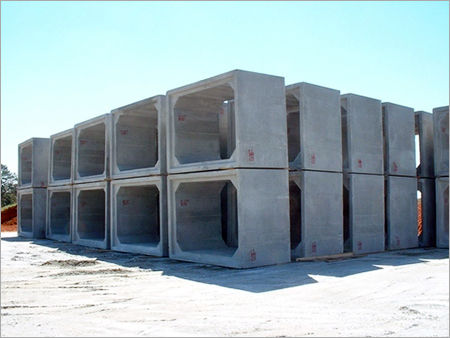
Box Culverts
Minimum Order Quantity : 100000 Pieces
Section Shape : Other, Box
Product Type : Other, Box Culvert
Color : Grey
Temperature Range : 10C to 60C
Material Grade : M25 / M30 Concrete Grade
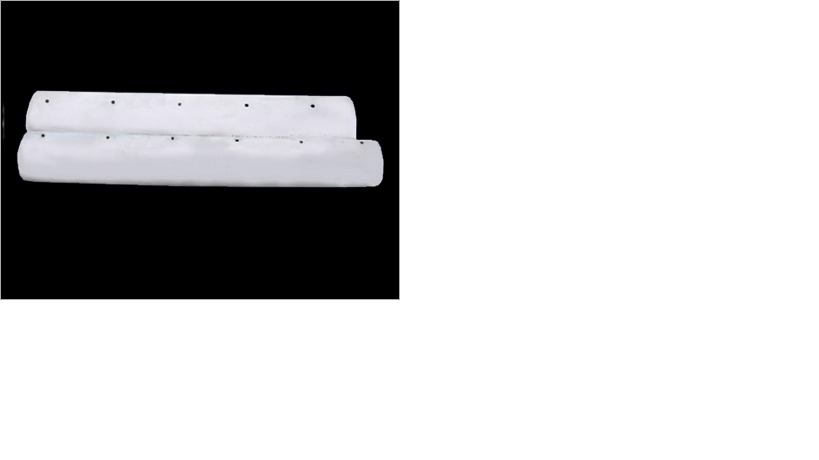
Perforated RCC Pipes
Minimum Order Quantity : 100000 Pieces
Section Shape : Round
Product Type : Other, Perforated RCC Pipe
Color : Natural Grey
Temperature Range : 10C to 60C
Material Grade : M30 to M40
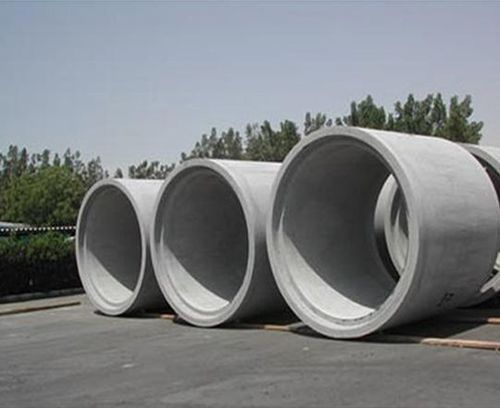
RCC Pipes
Minimum Order Quantity : 100000 Pieces
Section Shape : Round
Product Type : Other, RCC Pipe
Color : Grey
Temperature Range : 10C to 50C
Material Grade : M30, M40 grade concrete

GST : 06AAWCS0831J2ZZ

 Send Inquiry
mbpiassandh@gmail.com
Office - 2 :
Sawaria Infra India Private Limited.
Khasra No. 1148, 1149, 1151
Cholai - Kansli Road,
Opp. M.A.S.S School, Kotputli,
Jaipur Rajasthan 303108
 Send Inquiry
 Send SMS
Developed and Managed by Infocom Network Private Limited.

