


Call us now
RCC Pipes
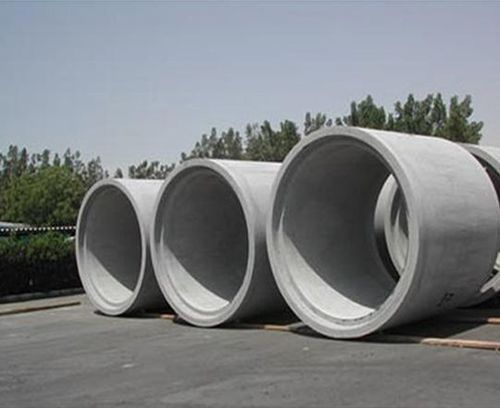

RCC Pipes Specification
- Tolerance
- 2% on dimensions
- Coating Type
- External and internal cement mortar lining
- Bend Radius
- Not Flexible
- Temperature Range
- -10C to 50C
- Diameter
- 150 mm to 2200 mm
- Tensile Strength
- 5-7 MPa (of concrete)
- Sealing Type
- Rubber ring/Collar joint
- Connection Type
- Collar Joint/Spigot-Socket Joint
- Flexibility
- Rigid
- Product Type
- RCC Pipe
- Material
- Reinforced Cement Concrete
- Connection
- Spigot and socket/Collar Joint
- Shape
- Cylindrical
- Standard
- IS 458:2003
- Surface Treatment
- Smooth finished
- Outer Diameter
- 150 mm to 2200 mm
- Section Shape
- Round
- Length
- 2.5 m
- Thickness
- 50 mm to 120 mm (varies with diameter)
- Color
- Grey
- Usage
- Water supply, sewerage, drainage
- Rated Pressure
- 2.5 to 10 kg/cm
- Application
- Culverts, irrigation, agricultural, storm water, drainage
- Material Grade
- M30, M40 grade concrete
- Lifespan
- 40-50 years
- Eco-Friendly
- Yes, inert and non-toxic
- Density
- 2200 - 2500 kg/m³
- End Details
- Plain end or socketed end
- Class
- NP2, NP3, NP4
- Reinforcement Type
- Mild steel or high tensile wire
- Load Bearing Capacity
- High (varies with class and diameter)
- Water Absorption
- Less than 6% of weight
- Weather Resistance
- Excellent, suitable for outdoor use
- Testing
- Hydrostatic and load tested as per IS standards
- Jointing Method
- Butt joint or collar joint
- Installation Method
- Trenching and bedding
- Availability
- Customizable as per client requirement
RCC Pipes Trade Information
- Minimum Order Quantity
- 100000 Pieces
- Supply Ability
- 200 Pieces Per Day
- Delivery Time
- 2 Days
About RCC Pipes
Key Features:
- Fine finish
- Easy installation
- Leak proof
- High compressive strength
Superior Strength & Longevity
RCC pipes are designed with high-grade M30 or M40 concrete and superior reinforcement, making them highly durable and suitable for rigorous applications. Their structural integrity ensures longevity, typically ranging from 40 to 50 years even in demanding outdoor environments.
Flexible Application Options
These pipes are ideal for water supply, stormwater drainage, sewerage, culverts, irrigation, and agricultural projects. Offered in multiple classes (NP2, NP3, NP4) and diameters, they cater to both standard infrastructure and custom requirements.
Reliable Testing & Standards Compliance
Every RCC pipe undergoes hydrostatic and load testing in line with IS 458:2003 standards. This ensures optimum pressure resistance (2.5 to 10 kg/cm) and dimensional tolerance, providing assurance of both safety and performance on site.
FAQs of RCC Pipes:
Q: How are RCC pipes installed using trenching and bedding methods?
A: The installation process begins with excavating a suitable trench to the required depth. Next, a bedding layer is placed to provide support and proper alignment for the pipe. The RCC pipes are then lowered into the trench and aligned carefully, after which the recommended jointing methodeither butt joint or collar jointis applied. Final backfilling is carried out to secure the pipe in position.Q: What are the key applications for RCC pipes with different classes?
A: RCC pipes in NP2, NP3, and NP4 classes are utilized for water supply, stormwater and sewage drainage, culverts, agricultural irrigation, and infrastructure projects. The choice of class depends on load requirements: NP2 for light duty, NP3 for medium duty, and NP4 for heavy load-bearing situations like highways or urban installations.Q: When should I choose spigot and socket or collar joints for my RCC pipes?
A: Spigot and socket or collar joints are selected based on pipe diameter, installation environment, and pressure requirements. Collar joints provide a robust seal, suitable for sewerage and drainage systems requiring leak-proof connections and flexibility in alignment. For straightforward, linear pipeline connections, butt joints may be sufficient.Q: Where are RCC pipes most effectively used outdoors?
A: RCC pipes, owing to their excellent weather resistance, are extensively used in outdoor applications such as road culverts, storm water drains, and agricultural irrigation channels. Their durable construction also makes them ideal for installation in harsh climatic conditions across India.Q: What benefits does the high load-bearing capacity of RCC pipes provide?
A: High load-bearing capacity ensures RCC pipes can support heavy external loads from soil or traffic, reducing risk of structural failure. This makes them particularly advantageous for installations beneath roads, highways, or urban infrastructure, where reliability is critical.Q: How do RCC pipes ensure eco-friendliness and safety for water applications?
A: RCC pipes are inert and non-toxic, made from natural materials. Their smooth internal surface reduces the risk of blockages, while comprehensive sealing methods (rubber ring or collar joint) prevent leaks, safeguarding both the environment and public health.Q: What testing standards are applied to RCC pipes before supply?
A: All RCC pipes are hydrostatically and load-tested in compliance with IS 458:2003. These tests verify the pipes strength, pressure resistance, and water tightness, ensuring suitability for critical infrastructure projects.- Minimum Order Quantity
- 100000 Pieces
- Supply Ability
- 200 Pieces Per Day
- Delivery Time
- 2 Days
 Get Latest Price
Price:
- 50
- 100
- 200
- 250
- 500
- 1000+

More Products in Pre Cast Concrete Product Category
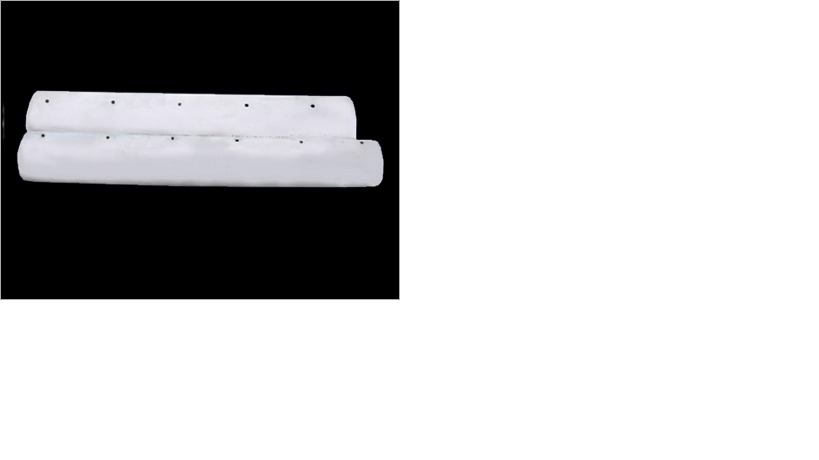
Perforated RCC Pipes
Minimum Order Quantity : 100000 Pieces
Thickness : Ranges from 75 mm to 150 mm
Connection : Other, Socket & Spigot
Sealing Type : Rubber Gasket / Mortar Joint
Material : Other , Reinforced Cement Concrete (RCC)
Surface Treatment : Other, Smooth/Uncoated
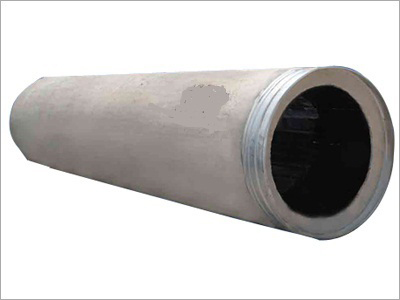
Jacking Pipe
Minimum Order Quantity : 100000 Pieces
Thickness : 150 mm
Connection : Other, Bell and Spigot / Collar Joint
Sealing Type : Rubber Ring Sealed
Material : Other , Reinforced Concrete
Surface Treatment : Other, Smooth Concrete Finish
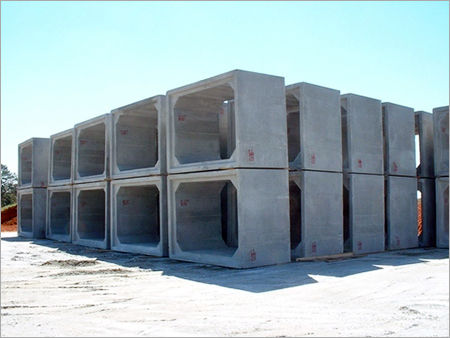
Box Culverts
Minimum Order Quantity : 100000 Pieces
Thickness : 50 mm 300 mm (as per design)
Connection : Other, Tongue & Groove Joint / Butt Joint
Sealing Type : Mortar Joint / Rubber Gasket
Material : Other , Reinforced Concrete
Surface Treatment : Other, Smooth Finish
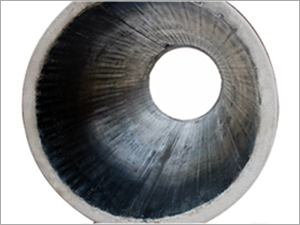
HDPE Lined RCC Pipes
Minimum Order Quantity : 100000 Pieces
Thickness : 40 mm to 150 mm
Connection : Other, Spigot & Socket
Sealing Type : Rubber Gasket
Material : HDPE
Surface Treatment : Other, HDPE Lined, Smooth Finish

GST : 06AAWCS0831J2ZZ

 Send Inquiry
mbpiassandh@gmail.com
Office - 2 :
Sawaria Infra India Private Limited.
Khasra No. 1148, 1149, 1151
Cholai - Kansli Road,
Opp. M.A.S.S School, Kotputli,
Jaipur Rajasthan 303108
 Send Inquiry
 Send SMS
Developed and Managed by Infocom Network Private Limited.

