


Call us now
Perforated RCC Pipes
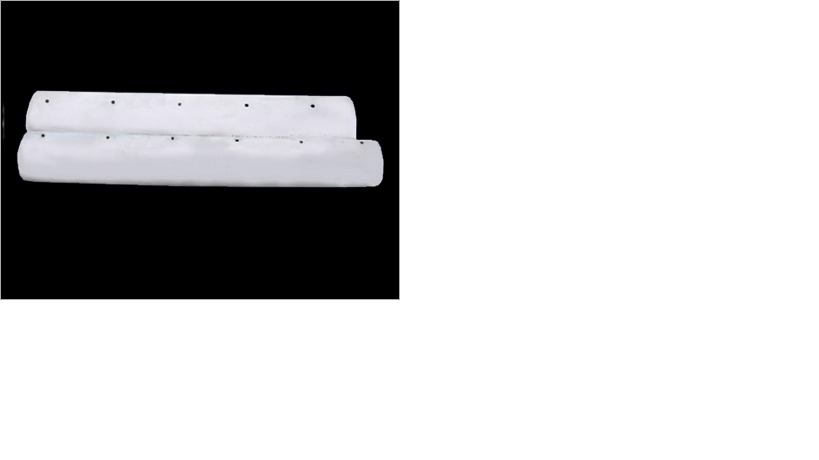

Perforated RCC Pipes Specification
- Tolerance
- 5 mm
- Sealing Type
- Rubber Gasket / Mortar Joint
- Bend Radius
- Not Bendable
- Flexibility
- Rigid
- Diameter
- Varies (commonly 150 mm to 1000 mm)
- Coating Type
- No Coating
- Temperature Range
- -10C to 60C
- Connection Type
- Socket Joint
- Tensile Strength
- Approx. 3.5 MPa
- Yield Strength
- Approx. 30 MPa
- Product Type
- Perforated RCC Pipe
- Material
- Reinforced Cement Concrete (RCC)
- Connection
- Socket & Spigot
- Shape
- Cylindrical
- Standard
- IS:458 / IS:5455
- Surface Treatment
- Smooth/Uncoated
- Outer Diameter
- 150 mm to 1000 mm
- Section Shape
- Round
- Length
- 2.5 meter / 3 meter
- Thickness
- Ranges from 75 mm to 150 mm
- Color
- Natural Grey
- Usage
- Subsurface drainage, agricultural fields, road works
- Rated Pressure
- Up to 0.4 MPa
- Material Grade
- M30 to M40
- Application
- Drainage of excess water, water management
- Life Expectancy
- 30-50 Years
- Corrosion Resistance
- High
- Load Bearing Capacity
- Designed for heavy earth loads
- Reinforcement
- Steel bars as per IS standards
- Installation Method
- Buried in trenches
- Testing
- Hydrostatic & Dimensional Checks
- Water Absorption Rate
- Less than 6%
- Concrete Mix
- Design mix as per IS codes
- Hole Pattern
- Longitudinal rows at defined intervals
- Perforation Size
- 8 mm to 20 mm holes
- Jointing Method
- Socket & Spigot / Rubber Gasket
Perforated RCC Pipes Trade Information
- Minimum Order Quantity
- 100000 Pieces
- Supply Ability
- 200 Pieces Per Day
- Delivery Time
- 2 Days
About Perforated RCC Pipes
Key Features:
- Excellent thermal and sound insulation
- Crack resistance
- Smooth edges
- Flawless finish
Precision Engineering for Reliable Drainage
These perforated RCC pipes employ a cylindrical design with smooth, uncoated surfaces and closely regulated hole diameters. The perforations allow for optimal water movement while retaining soil structures, making them ideal for subsurface drainage. Manufactured to strict IS codes, the pipes exhibit 5 mm dimensional tolerance and water absorption rates below 6%, guaranteeing quality performance over decades.
Heavy-Duty Performance in Demanding Environments
Capable of withstanding heavy earth loads, the pipes are constructed using steel-reinforced, high-grade concrete (M30M40). Their rigid structure ensures dependable operation in varied soil conditions and under traffic, suitable for use in agricultural drainage, road works, and other water management scenarios. Each pipe end is fitted for secure socket & spigot or rubber gasket joints to provide a watertight seal.
FAQs of Perforated RCC Pipes:
Q: How are perforated RCC pipes installed for subsurface drainage?
A: Perforated RCC pipes are typically buried in trenches prepared along the drainage route. The trenches should be excavated to the required depth and width, ensuring a stable bedding for the pipes. Once placed, the pipes are joined using socket & spigot or rubber gasket connections, followed by backfilling with suitable material. Proper alignment and gradient are maintained for effective drainage.Q: What applications are best suited for these RCC pipes?
A: These pipes are widely used for subsurface drainage in agricultural fields, road construction projects, and water management systems. Their ability to efficiently collect and transport excess groundwater makes them ideal for preventing waterlogging, ensuring soil stability, and prolonging the lifespan of infrastructure.Q: When should perforated RCC pipes be used over other drainage systems?
A: Perforated RCC pipes are preferable when high load-bearing capacity, durability, and resistance to corrosion are required. They are particularly recommended for locations experiencing heavy earth loads, significant groundwater inflow, or where long-term performance (3050 years) is crucial.Q: What is the process for quality assurance of these pipes?
A: Each pipe undergoes hydrostatic and dimensional checks as per IS standards to ensure it meets performance requirements. The testing process verifies physical parameters, joint tightness, hole integrity, and verifies compliance with the specified tolerance (5 mm) and water absorption rate (below 6%).Q: Where can these pipes be sourced in India?
A: Perforated RCC pipes meeting IS:458 / IS:5455 standards are available from authorized exporters, manufacturers, suppliers, and traders across India. They can be procured in multiple diameters (150 mm1000 mm) and lengths (2.5 m / 3 m) as per project needs.Q: What benefits do RCC perforated pipes offer in long-term drainage systems?
A: These pipes provide high strength, stability, and longevitylasting 30 to 50 years with minimal maintenance. Their robust construction and corrosion-resistant properties ensure consistent drainage performance even under heavy earth and traffic loads, making them a cost-effective solution for water management.- Minimum Order Quantity
- 100000 Pieces
- Supply Ability
- 200 Pieces Per Day
- Delivery Time
- 2 Days
 Get Latest Price
Price:
- 50
- 100
- 200
- 250
- 500
- 1000+

More Products in Pre Cast Concrete Product Category
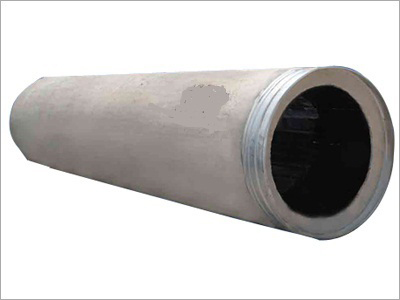
Jacking Pipe
Minimum Order Quantity : 100000 Pieces
Bend Radius : Rigid No Bend
Connection : Other, Bell and Spigot / Collar Joint
Usage : Microtunneling, Trenchless Pipe Installation
Coating Type : Concrete
Flexibility : Rigid
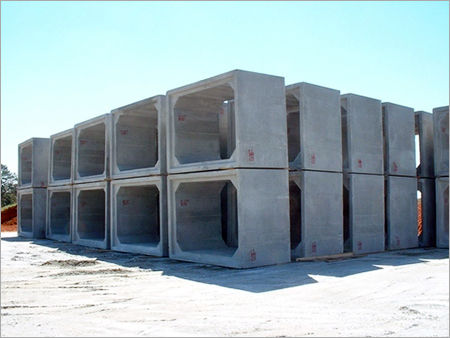
Box Culverts
Minimum Order Quantity : 100000 Pieces
Bend Radius : N/A for rigid structure
Connection : Other, Tongue & Groove Joint / Butt Joint
Usage : Drainage, Underpasses, Railway Crossing, Storm Water Management
Coating Type : No coating (Concrete Finish)
Flexibility : Rigid
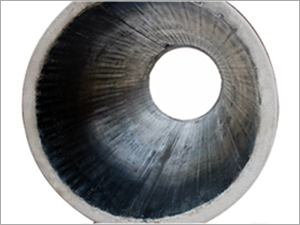
HDPE Lined RCC Pipes
Minimum Order Quantity : 100000 Pieces
Bend Radius : Not recommended for bending
Connection : Other, Spigot & Socket
Usage : Water Transmission, Sewage, Drainage
Coating Type : HDPE Inner Lined
Flexibility : SemiRigid
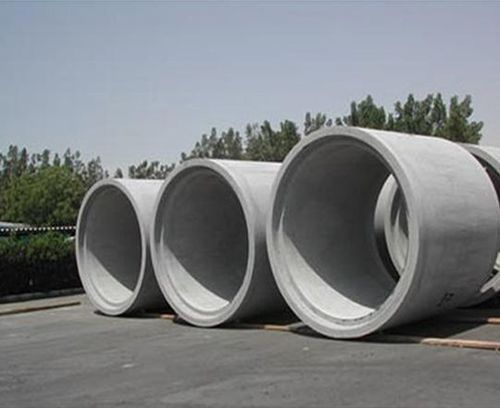
RCC Pipes
Minimum Order Quantity : 100000 Pieces
Bend Radius : Not Flexible
Connection : Other, Spigot and socket/Collar Joint
Usage : Water supply, sewerage, drainage
Coating Type : External and internal cement mortar lining
Flexibility : Rigid

GST : 06AAWCS0831J2ZZ

 Send Inquiry
mbpiassandh@gmail.com
Office - 2 :
Sawaria Infra India Private Limited.
Khasra No. 1148, 1149, 1151
Cholai - Kansli Road,
Opp. M.A.S.S School, Kotputli,
Jaipur Rajasthan 303108
 Send Inquiry
 Send SMS
Developed and Managed by Infocom Network Private Limited.

